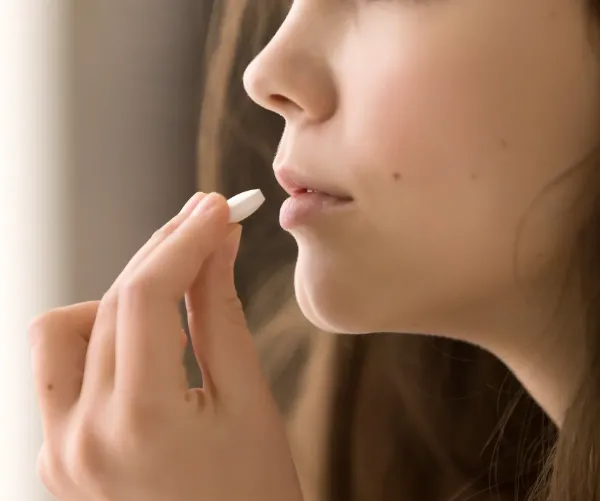
Acne is one of the most common skin concerns, and many people struggle with breakouts at some point in their lives. From teenagers to adults, it’s an ongoing battle for many. Zinc supplements have gained attention in the skincare world as a potential aid in managing acne, but is there scientific support behind the claims? In this blog, we’ll explore how zinc might help with acne, the different forms of zinc supplements, and the best practices for incorporating zinc into your skincare routine.
What Is Zinc?
Zinc is a vital trace mineral that your body needs in small amounts to carry out essential functions. Although it’s needed in tiny quantities, zinc plays a crucial role in immune health, wound healing, hormone balance, and skin cell production. Since your body can’t store or naturally produce zinc, it’s important to get a consistent supply from your diet or supplements.
Zinc supports several key functions:
- Immune Health: Zinc helps your immune system by boosting the function of white blood cells, which defend the body against infections.
- Wound Healing: This mineral promotes collagen production and tissue repair, aiding the healing of cuts, bruises, and other skin injuries.
- Hormonal Balance: Zinc plays a role in maintaining hormone levels, which can impact acne, especially when fluctuating androgens contribute to oily skin.
- Protein Synthesis: Zinc helps create new proteins and supports skin cell health, which is important for maintaining a resilient skin barrier.
Given its wide range of benefits, it’s no wonder that zinc has been explored for its potential role in acne management.
How Acne Forms and Why Zinc May Help
Acne typically forms when hair follicles get clogged with excess oil (sebum), dead skin cells, and sometimes bacteria. This leads to the development of pimples, ranging from mild whiteheads to more severe cystic acne. Hormonal changes, stress, and diet can all contribute to breakouts.
Zinc may be helpful in several ways when it comes to acne:
- Reducing Inflammation: Zinc has powerful anti-inflammatory properties, which can help reduce the redness and swelling that often accompany acne. This makes it a valuable tool for soothing active breakouts.
- Hormonal Acne: Zinc may help regulate hormones, particularly those that stimulate oil production in the skin. By managing these hormones, zinc can help reduce the severity and frequency of breakouts associated with hormonal fluctuations.
- Fighting Acne-Causing Bacteria: Zinc is also shown to have antibacterial effects, particularly against Propionibacterium acnes (P. acnes), a bacteria responsible for triggering inflammation and pimples in the skin.
The Science Behind Zinc for Acne
Anti-Inflammatory Benefits
Zinc’s anti-inflammatory properties are perhaps its most well-known benefit in skin care. When acne-prone skin becomes inflamed, it leads to the classic redness, swelling, and pain. Zinc can help calm this inflammation, speeding up the healing process and reducing discomfort from breakouts.
Hormonal Acne
Hormonal fluctuations often trigger acne, particularly in people dealing with stress or during certain phases of the menstrual cycle. Zinc’s role in regulating hormones can help prevent the overproduction of sebum, thus minimizing clogged pores and reducing acne flare-ups.
Fighting Acne-Causing Bacteria
Zinc works against the bacteria that contribute to acne, particularly P. acnes. While it’s not a cure-all, zinc’s antibacterial properties provide valuable support in the fight for clear skin.
Different Forms of Zinc Supplements
When you start shopping for zinc supplements, you’ll notice there are several different forms to choose from. Each form varies in absorption rate and efficacy for acne treatment. Here’s a quick comparison:
- Zinc Picolinate: Known for its high absorption rate, zinc picolinate is often recommended for acne. However, it can be pricier than other forms.
- Zinc Gluconate: A common choice, zinc gluconate is moderately effective and affordable, though some people find it less effective for severe acne.
- Zinc Citrate: Offers a good balance between absorption and cost, though it may cause slight digestive discomfort in some users.
- Zinc Orotate: Less studied for acne, but it may be gentler on the stomach and still provide beneficial effects.
The key takeaway is that zinc picolinate is often preferred for acne due to its superior absorption. However, zinc gluconate is another popular option due to its affordability and availability.
Best Practices for Taking Zinc
Dosage Guidelines
Zinc supplements for acne typically come in doses of 15-30 mg per serving. Clinical studies have used doses ranging from 30 mg to 150 mg daily to address acne. However, it’s essential not to exceed safe limits, as excessive zinc intake can lead to side effects like nausea or digestive issues.
Pro Tip: Start with a moderate dose (25-30 mg) and monitor how your body reacts. If you experience any discomfort, consult with a healthcare provider.
Timing Your Zinc Intake
For optimal absorption, zinc supplements should ideally be taken on an empty stomach, but if you experience stomach irritation, take them with food. Avoid taking zinc alongside dairy or iron supplements, as they can interfere with zinc absorption.
Here are a few tips to maximize absorption:
- Take zinc at least 1 hour before or 2 hours after a meal.
- Avoid pairing it with dairy, coffee, or iron supplements.
- Adding vitamin C may enhance zinc absorption.
Potential Side Effects and Considerations
Zinc supplements are generally safe, but there are a few potential side effects to be aware of:
- Nausea and digestive issues: High doses of zinc can lead to stomach discomfort, including nausea and cramping.
- Copper deficiency: Excessive zinc can interfere with copper absorption, leading to a potential deficiency.
- Allergic reactions: Although rare, some individuals may experience allergic reactions to zinc.
- Interactions with medications: Zinc can affect the absorption of certain medications, such as antibiotics and diuretics. It’s important to consult your doctor if you’re on medication.
Remember that supplements should complement a healthy diet and lifestyle. If you have concerns about whether zinc is right for you, always check with a healthcare provider.
Zinc-Rich Foods to Support Skin Health
In addition to supplements, zinc is abundant in certain foods. If you want to incorporate more zinc into your diet, try adding these foods:
- Oysters (the best source of zinc)
- Beef and lamb
- Pumpkin seeds
- Chickpeas and lentils
- Cashews
- Whole grains (like quinoa and whole wheat)
Real Talk: Does Zinc Really Help Acne?
The truth is, zinc can be an effective solution for managing acne, especially for people dealing with mild to moderate breakouts. Its anti-inflammatory properties, ability to regulate hormones, and antibacterial effects make it a helpful supplement in reducing acne flare-ups.
However, zinc is not a one-size-fits-all solution. If you have severe acne, you’ll likely need a combination of treatments, including topical creams, medications, or changes to your skincare routine. For mild acne, adding zinc to your regimen may help improve skin health, especially when paired with other skin care practices like hydration, stress management, and proper cleansing.
Final Thoughts
Zinc supplements can be a helpful part of your skincare routine, especially if you’re dealing with acne. While they might not be a miracle cure, they can offer valuable support in reducing inflammation, controlling hormones, and fighting bacteria. If you’re considering adding zinc to your regimen, start with the right dosage and form, and complement it with other skin-friendly habits.
Zinc may just be the missing piece in your acne-fighting strategy, but remember, acne is complex, and a holistic approach is the key to clearer, healthier skin.