The Ultimate Bikepacking Gear List: Essentials for Your Next Adventure

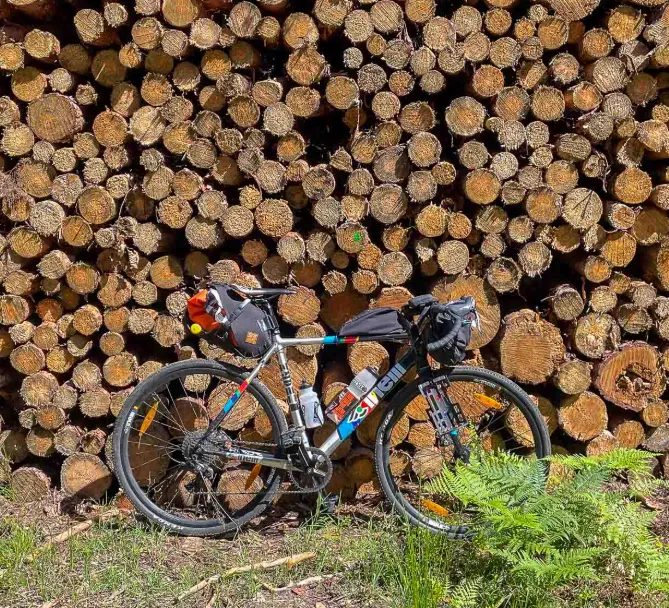
When you’re preparing for a bikepacking trip, knowing what gear to bring is crucial. Packing too much or the wrong equipment can lead to discomfort, delays, and even safety risks during your journey. Whether you’re going on a short overnight ride or a longer adventure, having the right gear makes all the difference.
In this post, I’ll break down the essential gear for both a standard and ultralight bikepacking trip, along with some tips to help you choose what’s right for your style of travel.
Understanding the Difference: Ultralight vs. Full Bikepacking Gear
Before we get into the details, it’s important to clarify the difference between a standard bikepacking load and an ultralight setup.
- Full Bikepacking Gear: This includes everything you need for a more comfortable ride, including extra gear for safety, cooking, and sleeping. Ideal for those who are planning to camp or stay in less developed areas, this setup ensures you have all the necessary equipment for various situations.
- Ultralight Bikepacking: This approach is all about minimizing the weight you carry. Ultralight bikepackers focus only on the most essential gear, often leaving behind non-essentials to cut down on weight. This is perfect if you want to travel faster or reduce the strain on your body, but it does require careful planning to ensure you’re still safe and comfortable.
Now, let’s dive into the full bikepacking gear list, with ultralight alternatives for those looking to shed a few pounds.
Essential Bikepacking Gear
1. Choosing the Right Bike
The first step in your bikepacking adventure is choosing the right bike. The type of bike you pick depends on the route and terrain.
- Road Bikes: Lightweight and fast, road bikes are best for smooth, paved roads. They’re not suitable for gravel or rough trails, so if your route is entirely paved, this could be your ideal choice.
- Gravel Bikes: If your journey involves a mix of paved roads and gravel trails, a gravel bike is your best bet. These bikes have sturdier tires and are designed for a variety of terrains, making them great for multi-surface routes.
- Mountain Bikes: Mountain bikes are built for rugged terrain. If your route includes steep, rocky paths or forest trails, a mountain bike will provide the durability and stability you need.
2. Bikepacking Tools
Having the right tools can make or break your trip. Here’s a basic toolkit to bring along:
- Pocketknife
- Spare tubes or tire sealant
- Compact pump or CO2 inflator
- Tire levers
- Multi-tool
- Chain links and chain breaker
- Lubricant
- Duct tape
- Zip ties
- Patch kit
Ultralight Option: Consider taking just the essentials, like a multi-tool, patch kit, one spare tube, a CO2 inflator, and a tire lever. Wrap duct tape around a water bottle to save space.
3. Bikepacking Helmet
Safety first! A sturdy helmet is crucial for protecting your head, especially on roads or rugged trails. Make sure your helmet is in good condition and fits well. Don’t compromise on this piece of gear.
4. Bikepacking Bags
When it comes to packing, the type of bags you use is just as important as the gear itself. Here are some bag options:
- Saddlebags: Perfect for mountain and gravel bikes, these bags attach to the seat and hold most of your gear.
- Handlebar Pack: Ideal for lighter loads or smaller items.
- Frame Pack: Great for adding storage without compromising your bike’s balance.
- Hydration Pack: A good choice for water and quick-access snacks.
Ultralight Tip: Stick with just a saddlebag and a hydration backpack to keep your load minimal.
5. Bikepacking Lights
Proper lighting is essential, especially if you’ll be riding in low-light conditions. Here’s what to bring:
- Front and rear lights (with flash options)
- Headlamp (for camp use)
- Extra batteries or a portable charger
Ultralight Option: A front and rear light will suffice, and you can use the front light sparingly for camp.
6. Bike Lock
Don’t forget a reliable lock! You’ll need it if you plan to stop at a store or in public areas. A smaller lock for securing your bags is also a good idea.
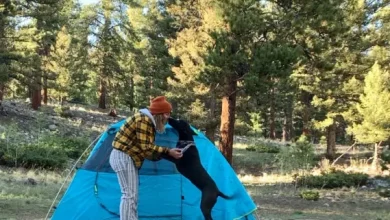
7. Camping Gear
When bikepacking in nature, the right camping gear is essential. Here’s what you’ll need:
- Tent, Tarp, Bivy, or Hammock
- Sleeping bag or quilt (depending on the weather)
- Sleeping pad
- Camp seat pad
- Gear repair kit
Ultralight Option: A tarp or bivy is ideal for lightweight camping, along with a sleeping bag liner or quilt for warmth.
8. Cooking Gear
If you plan to cook, here are the essentials:
- Pocket rocket stove
- Fuel canister
- Lighter or matches
- Cook cup
- Spork
Ultralight Option: Bring a small stove, a single fuel canister, a compact cup, and a plastic fork. If you’re in bear country, consider a bear bag instead of a canister.
9. Fuel and Hydration
Stay hydrated and energized throughout your ride. Here’s what you’ll need:
- Water bottles or a hydration bladder
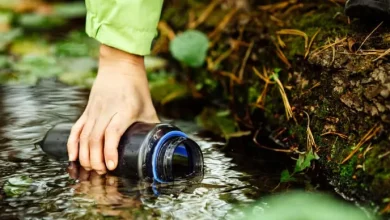
- Water filter or purification tablets
- Electrolyte tablets
- Energy bars, gels, and snacks
- Dehydrated meals
Ultralight Tip: If you have access to water sources, bring a filter and minimize the weight of water carried.
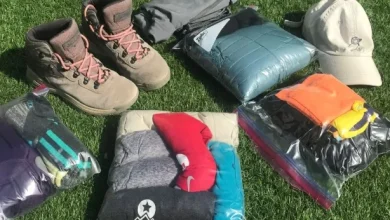
10. Bikepacking Clothing
For bikepacking, you’ll need lightweight, comfortable clothing. Here are some essentials:
- Cycling jersey
- Windbreaker
- Cycling shorts or bibs
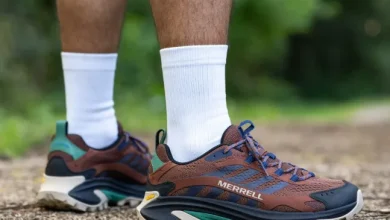
- Bike shoes and socks
- Rain gear
- Gloves and arm/leg warmers
- Camp shoes (flip-flops or Crocs)
Ultralight Option: Focus on layers, and only pack what you’ll actually wear. Consider cycling gear for both riding and sleeping.
11. Navigation Gear
Never get lost! Essential navigation gear includes:
- Map (paper or digital)
- Compass
- GPS device
- Phone charger and power bank
Ultralight Option: A map and plastic compass will suffice, and a phone can act as your GPS.
12. Personal Items
These personal essentials will make your trip more comfortable:
- Sunscreen and lip balm
- Bug spray
- Toothbrush and toothpaste
- Biodegradable soap
- Small first aid kit
- ID, cash, and credit cards
Ultralight Option: Use small containers for toiletries and consider reducing unnecessary items.
Final Thoughts
Bikepacking is an amazing way to explore the outdoors, but having the right gear is crucial for your safety and comfort. Whether you go for the full packing setup or opt for a lighter ultralight experience, ensure you pack what you’ll truly need, not just what you think you might need.
With these essentials, you’ll be ready for any adventure, big or small. Happy bikepacking!