The Ultimate Guide to Choosing the Right Running Shoes for Your Foot Type and Running Style

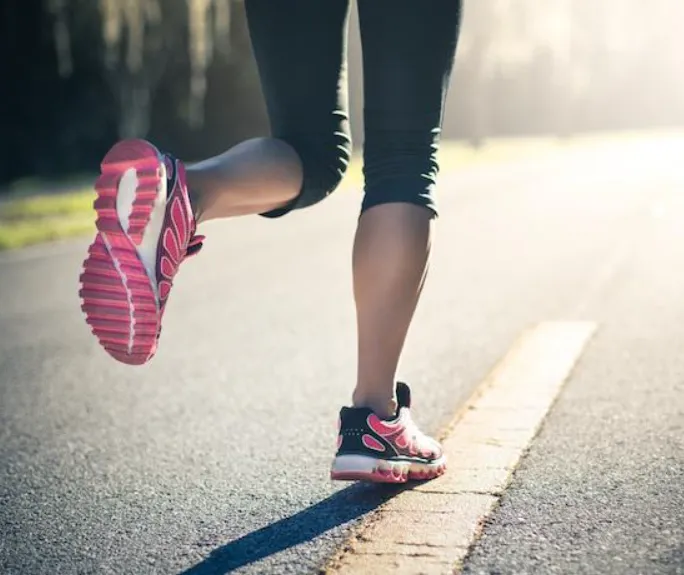
Running is a high-impact activity that places significant stress on your body, especially on your joints. While running might seem straightforward, it involves considerable shock as your feet repeatedly hit the ground. The right pair of shoes can make all the difference by providing the necessary support and cushioning to absorb these impacts and reduce strain on your body. In this guide, we will explore how to choose running shoes based on your foot type and running style, and the features you should look for when shopping for the perfect pair.
Understanding Foot Types and Their Role in Shoe Selection
The first step in choosing the right running shoes is to understand your foot type and how it affects your gait. The way your foot moves when it strikes the ground—known as pronation—plays a crucial role in determining which shoes will offer the best support.
What is Pronation?
Pronation refers to the natural inward rolling motion of your foot when it hits the ground. It’s a crucial aspect of your gait because it helps to absorb the shock from each step. However, different people have different pronation types, which can impact their running efficiency and risk of injury. There are three primary types of pronation:
- Neutral Pronation: This is the most common and biomechanically efficient type of pronation. Your foot rolls inward slightly, distributing the impact evenly and providing excellent shock absorption. Runners with neutral pronation typically experience fewer injuries.
- Overpronation: Overpronators have feet that roll inward excessively. This condition is often associated with flat feet or low arches and increases the risk of injury as the inner edge of the foot takes on more impact. Motion-control shoes or stability shoes are best for overpronators to help correct this excessive rolling.
- Supination (Underpronation): Supination occurs when the foot rolls outward, causing the outer edge to bear most of the impact. Runners with supination tend to have high arches, and this foot movement can lead to increased strain on the ankles and legs. Neutral shoes with cushioning may be ideal for supinators.
To determine your pronation type, consider getting a gait analysis, either through a professional or by examining wear patterns on your old running shoes. If you’re a beginner, it’s highly recommended to consult an expert to ensure you select the right shoe for your unique movement.
Examining Wear Patterns in Your Shoes
If you don’t have access to a gait analysis, you can learn about your pronation type by looking at the wear patterns on your old shoes. Here’s how to identify the common patterns:
- Neutral Pronation: Look for wear patterns in the shape of an “S,” with the most wear found along the big toe, the ball of the foot, and the outer heel.
- Overpronation: You’ll notice wear on the inside edge of the shoe, particularly under the big toe, the ball, and the inner heel. Shoes may tilt inward when placed on a flat surface.
- Supination: Wear will be concentrated along the outside edge of the shoe, and the shoes may tilt outward.
Types of Running Shoes Based on Arch Support
Once you’ve determined your pronation type, it’s important to choose shoes that offer the correct level of support for your arch. Running shoes generally fall into three categories: neutral shoes, stability shoes, and motion control shoes.
- Motion Control Shoes: These are ideal for severe overpronators who have flat feet or low arches. They feature rigid heel counters and minimal side-to-side flexibility, providing maximum stability and support.
- Stability Shoes: Stability shoes are designed for moderate overpronators. They offer a balance of support and flexibility, with softer heel counters and a slight ability to twist. These shoes are great for those who need support but still want some flexibility.
- Neutral Shoes: These shoes are best for neutral runners, as well as mild overpronators and supinators. Neutral shoes are flexible and lack the extra arch support found in stability or motion-control shoes, allowing for more natural foot movement.
Considering Your Running Style
In addition to pronation, your running style also influences the type of shoes you should choose. Specifically, your foot strike—the part of your foot that first makes contact with the ground—affects your shoe choice.
- Heel Strike: This is the most common foot strike, especially among recreational runners. Heel strikers land on their heels first, causing more shock to the body. Heel-striking runners often prefer shoes with more cushioning to absorb the impact.
- Midfoot Strike: Midfoot strikers land on the middle of their foot, which allows for a more even distribution of impact. This style is efficient and is commonly used by more experienced runners. Shoes with moderate cushioning and flexibility are often the best choice for midfoot strikers.
- Forefoot Strike: Forefoot strikers land on the balls of their feet, often avoiding heel contact altogether. This style is beneficial for short sprints but can cause extra strain on the toes and calves during longer runs. Lightweight, responsive shoes with less heel cushioning are typically preferred by forefoot strikers.
Heel-to-Toe Drop and Cushioning
The heel-to-toe drop refers to the difference in height between the heel and the forefoot. It affects how the shoe feels and how it impacts your running mechanics.
- High Drop (8-12mm): Ideal for heel strikers or long-distance runners who need more cushioning to absorb the shock. High-drop shoes offer a more cushioned heel, though they tend to be heavier.
- Mid Drop (5-8mm): A versatile option that works well for beginners or those with a mixed foot strike. This drop offers moderate cushioning while maintaining some level of flexibility.
- Low Drop (1-4mm): Suitable for runners who want a more natural stride and a closer connection to the ground. These shoes are lightweight but can put more strain on the calves and Achilles tendon.
- Zero Drop (0mm): A minimalist design where the heel and forefoot are level. Zero-drop shoes simulate a barefoot running experience and are favored by runners who prefer a more natural foot movement.
Road vs. Trail Running Shoes
Another factor to consider when choosing running shoes is the surface you’ll be running on. Running shoes are generally designed for either road running or trail running, each offering different features suited to their respective terrains.
- Road Running Shoes: These shoes are lightweight, flexible, and breathable, designed to perform well on flat, even surfaces like asphalt and concrete.
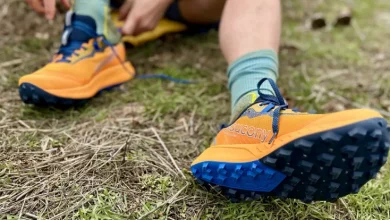
- Trail Running Shoes: Built for rough, uneven terrains, trail shoes are stiffer and feature deeper treads to provide better grip on dirt, rocks, and muddy surfaces. They also often come with added protection, like toe guards and rock plates.
Traction and Outsole Materials
The material and tread design of the outsole are crucial for traction, especially for trail runners. Harder rubber is better for road running, while softer rubber provides better grip on slippery or uneven surfaces. Additionally, trail shoes tend to have more aggressive lugs to ensure a better grip on rugged terrains.
Getting the Right Fit
Lastly, to avoid discomfort or injuries, ensure that your running shoes fit well. Here are some tips for finding the perfect fit:
- Measure both feet, as they may differ in size, and always choose the larger size.
- Try on shoes in the late afternoon when your feet have expanded.
- Wear the same socks and orthotics that you’ll use during your runs.
- Ensure there’s enough room in the toe box to wiggle your toes comfortably.
Conclusion
Selecting the right pair of running shoes is crucial for both performance and injury prevention. By understanding your foot type, pronation, running style, and the surfaces you’ll be running on, you can choose shoes that offer the best support and cushioning for your needs. Remember that every runner’s feet and gait are unique, so take your time, try different pairs, and consult experts when necessary to find the shoes that are perfect for you.