Starting at the gym for the first time or returning after a long break can be intimidating. With all the machines, weights, and equipment around, it’s easy to feel lost or unsure of where to start. But don’t worry – this guide is here to help you feel confident and ready to take on your fitness journey.
Here’s everything you need to know about the most common gym equipment, how to use it, and how to make the most of your workout.
1. Cardio Machines
Cardio machines are great for warming up, burning calories, and improving cardiovascular health. Here are the most common types you’ll find:
Treadmill: A simple and popular option, the treadmill allows you to walk, jog, or run indoors. Most treadmills have a ‘Quick Start’ button, and you can adjust the speed and incline to customize your workout. When starting, stand on the sides of the treadmill to avoid any sudden acceleration. Gradually increase the speed.
Elliptical Trainer: This low-impact machine mimics the motion of running but with less strain on your joints. Some models come with handles that work your upper body while providing stability.
Stationary Bike: A great cardio option, especially if you find running tedious. It’s easier on the joints and comes in two types: upright bikes, which resemble conventional bicycles, and recumbent bikes, which have a reclined seat for added back support.
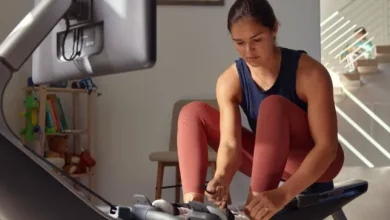
Rowing Machine: The rowing machine provides a full-body workout, targeting both the upper and lower body, including your core. It’s effective for building endurance and strength. If you’re new, ask a trainer for tips on technique to ensure you’re using the machine correctly.
Stair Climber: Also known as a stair mill, this machine mimics climbing stairs. It’s perfect for building lower-body strength and improving endurance. Hold the rail for support, but try to let go once you’re comfortable.
2. Strength Training Machines
Strength training machines are great for beginners because they target specific muscles and help guide your movements, reducing the risk of injury. These are usually pin-loaded machines, where you adjust the resistance by moving a pin through a stack of weight plates.
Chest Press: This machine works your chest, shoulders, and triceps. Sit comfortably, adjust the seat, and push the handles away from your chest.
Lat Pulldown: Designed for your back muscles, this machine involves pulling a bar down toward your chest while seated.
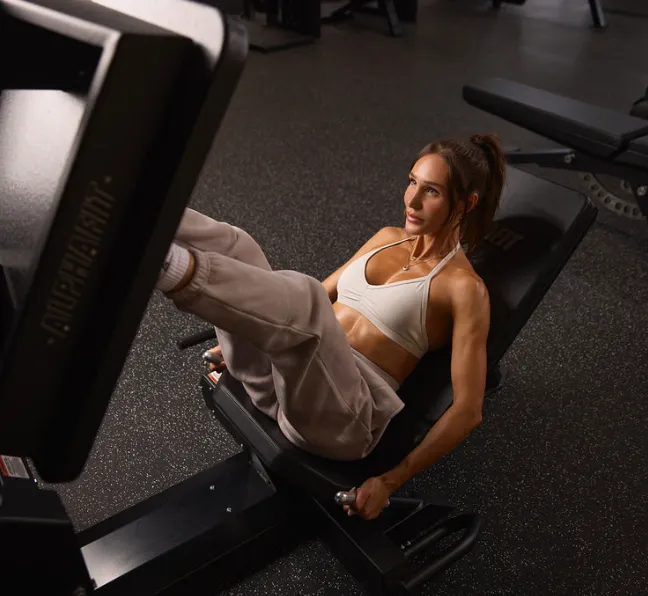
Leg Press: This machine focuses on your quadriceps, hamstrings, and glutes. Sit down and push the platform away using your legs.
Leg Curl & Leg Extension: These machines work your hamstrings and quadriceps, respectively. Leg curls involve bending your knees against resistance, while leg extensions involve straightening them.
Cable Machine: This versatile machine uses adjustable pulleys to perform various exercises like cable curls, tricep pushdowns, and chest flies.
3. Free Weights
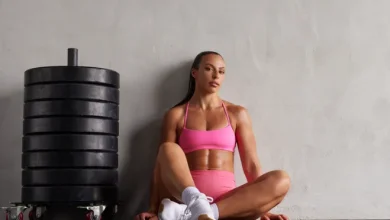
Free weights are an essential part of strength training. Unlike machines, free weights require more control and stabilization, making them great for building strength and improving coordination.
Dumbbells: Available in various weights, dumbbells are perfect for exercises like lunges, shoulder presses, and bicep curls. Start with lighter weights to perfect your form before progressing to heavier ones.
Barbells: A long bar with weights on both ends, barbells are used for heavy lifting exercises like squats, deadlifts, and bench presses. Proper form is crucial when using barbells to avoid injury.
Kettlebells: These cannonball-shaped weights with handles are great for dynamic exercises such as kettlebell swings, goblet squats, and Turkish get-ups, which enhance strength, endurance, and stability.
4. Functional Training Equipment
Functional training helps improve overall body strength, stability, and coordination by mimicking real-life movements.
Medicine Balls: Used for exercises like slams, throws, and twists, medicine balls help build strength and power.
Resistance Bands: These stretchy bands provide resistance for exercises that improve strength, flexibility, and mobility. They’re great for exercises like bicep curls, squats, and shoulder presses.
Battle Ropes: Used for high-intensity exercises, battle ropes help build upper body strength and cardiovascular endurance. You’ll perform movements like waves or slams to engage your muscles.
Bosu Ball: A half-ball with a flat surface on one side, the Bosu ball is great for balance and stability exercises like squats, lunges, and push-ups.
5. Stretching and Recovery Equipment
Recovery is as important as exercise. These tools help improve flexibility, reduce soreness, and prevent injuries.
Foam Rollers: Used for self-myofascial release, foam rollers help relieve muscle tightness and improve flexibility by rolling over sore muscles.
Stretching Straps: These straps help you achieve deeper stretches and improve flexibility during stretching exercises.
Yoga Mats: A yoga mat provides cushioning and support for floor-based exercises, such as stretching, yoga, or Pilates.
Final Tips for Gym Beginners
- Start Slowly: Begin with lighter weights and focus on learning proper form before progressing to heavier weights or more advanced exercises.
- Ask for Help: If you’re unsure how to use a piece of equipment, don’t hesitate to ask gym staff or a personal trainer for assistance.
- Warm-Up and Cool Down: Always start with a warm-up to increase blood flow and prepare your muscles, and finish with a cool down to aid recovery.
- Listen to Your Body: If something doesn’t feel right or causes pain, stop and consult a professional.
Getting familiar with gym equipment is essential for safe and effective workouts. By understanding how to use basic machines and tools, you’ll feel more confident in the gym and get the most out of your fitness routine. Start slow, ask questions, and enjoy the learning process.