Proper nutrition timing is a game-changer when it comes to athletic performance. Knowing what to eat and when to eat it can make a significant difference in how well you perform, recover, and progress in your training. It’s not just about fueling up—it’s about maximizing recovery, preventing injury, and achieving your athletic goals faster.
Understanding Nutrient Timing for Optimal Performance
Your body’s nutritional needs shift before, during, and after exercise. Pre-workout nutrition ensures you have the energy needed to power through training without causing digestive issues, while post-workout nutrition focuses on recovery, helping your muscles repair and grow effectively.
Research shows that strategic nutrient timing can enhance performance by up to 15% and reduce recovery time. This becomes especially crucial for athletes who train multiple times a day or participate in events with back-to-back competitions.
Pre-Workout Nutrition: The 1-3 Hour Window
The timing of your pre-workout meal is key to optimizing your energy levels and avoiding discomfort during exercise. The best time to eat depends on the size of the meal and how well your body digests food.
1-3 Hours Before:
- Aim for a balanced meal with carbs, moderate protein, and minimal fat.
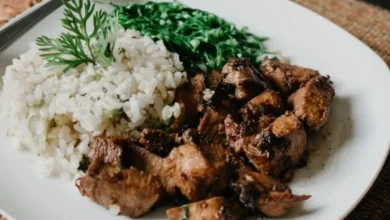
- Examples: Grilled chicken with rice and vegetables, or oatmeal with banana and Greek yogurt.
1-2 Hours Before:
- Focus on easily digestible carbs with some protein.
- Examples: A banana with almond butter, whole grain toast with honey, or a smoothie with fruit and protein powder.
30-60 Minutes Before:
- Opt for simple carbs that are easy on your stomach.
- Examples: A piece of fruit, an energy bar, or a sports drink.
Pre-Workout Meal Suggestions Based on Activity Type
- Endurance Sports (Running, Cycling, Swimming): Carbohydrates are key for sustained energy.
- Examples: Oatmeal with berries, a banana with dates, or energy balls made from oats and honey.
- Strength Training: Balance carbs and protein for sustained energy and muscle support.
- Examples: Greek yogurt with granola, a turkey and avocado wrap, or a protein smoothie.
- High-Intensity Sports (HIIT, Sprinting, Team Sports): Quick-release carbs are best.
- Examples: A sports drink, banana, or energy gel.
Post-Workout Nutrition: The Critical Recovery Window
The first 30-60 minutes after exercise are crucial for muscle recovery. During this window, your body is most receptive to nutrients that will help replenish glycogen stores and promote muscle repair.
Key Nutrients After Exercise:
- Carbohydrates to restore glycogen
- Protein to support muscle repair
- Fluids and electrolytes to maintain hydration
The Ideal Post-Workout Ratio:
Aim for a 3:1 or 4:1 ratio of carbs to protein for the best recovery. This equates to roughly 0.5-1.2 grams of carbs per kilogram of body weight and 0.25-0.3 grams of protein per kilogram of body weight.
Quick Post-Workout Nutrition Options (Within 30 Minutes):
- Chocolate milk (provides an ideal carb-to-protein ratio)
- Protein shake with banana
- Greek yogurt with honey and berries
- Recovery sports drink
Complete Meals (Within 2 Hours):
- Grilled salmon with sweet potato and vegetables
- Quinoa bowl with black beans and avocado
- Turkey and hummus wrap with fruit
- Eggs with whole grain toast and spinach
Tailoring Nutrition to Your Training Intensity
The intensity and duration of your training session should influence your pre- and post-workout nutrition plan.
Light Training Sessions (60 minutes or less):
- Pre-workout: A small snack 30-60 minutes before
- Post-workout: A regular meal within 2 hours is sufficient
Moderate Training Sessions (60-90 minutes):
- Pre-workout: A balanced meal 2-3 hours before, and a small snack 30-60 minutes before
- Post-workout: A recovery snack within 30 minutes, followed by a complete meal within 2 hours
Intense or Long Training Sessions (90+ minutes):
- Pre-workout: A full meal 3 hours before, with additional fuel as needed
- Post-workout: Immediate recovery nutrition within 30 minutes, followed by a substantial meal
Hydration: An Essential Part of Nutrition Timing
Don’t overlook hydration—it’s just as important as food when it comes to fueling performance. Start hydrating 2-3 hours before exercise and continue drinking during your workout. Afterward, replace fluids lost during exercise: for every pound of body weight lost, aim to drink 16-24 ounces of water.
Common Nutrition Timing Mistakes to Avoid
- Eating too close to workout time, causing digestive issues
- Skipping post-workout nutrition and missing the recovery window
- Choosing high-fat or high-fiber foods right before exercise
- Not adjusting nutrition based on individual needs or the type of sport
Finding the Right Nutrition Timing for You
Everyone’s body responds differently, so it’s important to experiment with timing and food choices to find what works best for you. Keep a nutrition log to track how different timing strategies affect your performance and recovery. Consistency is key—athletes who make nutrient timing a regular part of their routine see the greatest benefits.
Mastering pre- and post-workout nutrition timing is an investment that pays off in improved energy, quicker recovery, and enhanced performance. Start implementing these strategies and watch your training reach new heights.