Pregnancy is a time of transformation, and keeping both your body and mind in balance is essential. Prenatal yoga has become an increasingly popular practice for expectant mothers, offering numerous benefits during this life-changing journey. Whether you’re looking for a way to stay active, ease discomforts, or mentally prepare for labor, prenatal yoga can be an excellent choice. Here’s everything you need to know about incorporating this practice into your pregnancy routine.
How Prenatal Yoga Benefits You
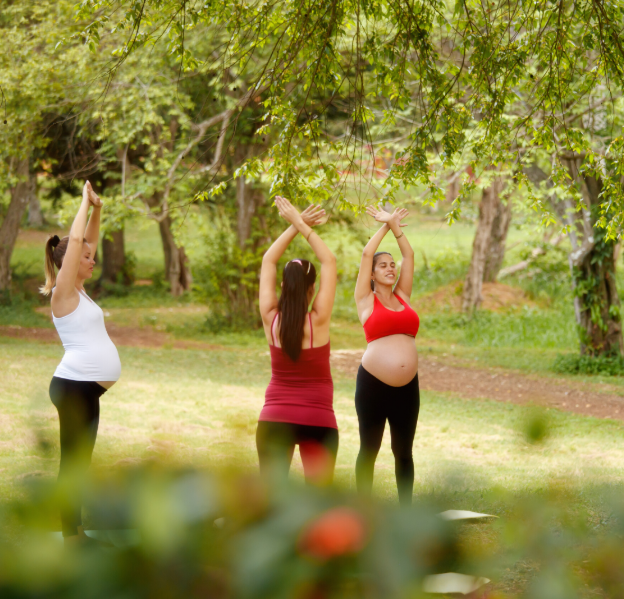
Prenatal yoga is designed with the pregnant body in mind, offering gentle stretches, mindful breathing, and positions that cater to the changing physical and emotional landscape of pregnancy. Unlike traditional yoga classes that may focus on intense strength-building, prenatal yoga emphasizes relaxation, flexibility, and strength in a safe, supportive environment.
One of the most significant advantages is its focus on breathing techniques, which can help reduce shortness of breath during pregnancy and even aid in coping with labor contractions. Additionally, the practice fosters deep relaxation, which can alleviate stress and anxiety, helping to create a sense of calm and well-being. Reducing stress can positively impact both your health and your baby’s development.
Pregnancy often brings discomforts such as back pain, headaches, nausea, and even insomnia. Prenatal yoga can help relieve these symptoms by improving circulation, promoting relaxation, and ensuring that both you and your baby get adequate oxygen. The gentle movements can also strengthen key muscles, including the pelvic floor and core, which are vital for childbirth. Plus, it can enhance your mood and help you manage prenatal weight gain in a healthy, mindful way.
What to Expect in a Prenatal Yoga Class
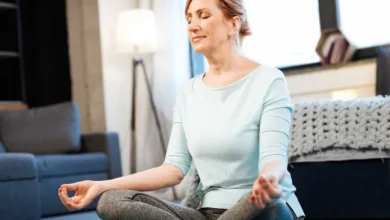
A typical prenatal yoga class begins with a moment of stillness to ground yourself and tune in to your body. This quiet time helps you connect with your breath and calm your mind before the class begins. Following the meditation, a warm-up is usually incorporated to gently activate your muscles.
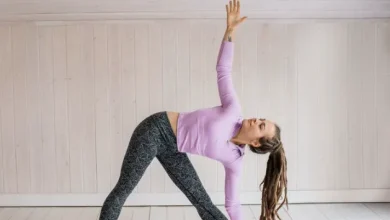
The class will likely include a series of standing poses, designed to open the hips and stretch the legs, combined with deep diaphragmatic breathing. Expect to work on strengthening your core and pelvic muscles, which are essential for both the pregnancy and delivery phases. You may also experience poses that promote chest and hip openings, creating more flexibility and space in the body.
As you progress, your instructor will guide you through gentle stretches that lengthen the muscles and help to release built-up tension. The class will end with a modified savasana, where you lie down and relax, often supported by cushions and blankets for maximum comfort. This restorative pose will leave you feeling grounded and rejuvenated.
Important Safety Tips for Prenatal Yoga
While yoga is generally safe during pregnancy, it’s essential to approach it with awareness and care. Hydration is key — make sure you’re drinking enough water throughout your practice to avoid dehydration or overheating. It’s also important to remember the “talk test.” If you’re exerting yourself so much that you can’t hold a conversation, you may need to dial back the intensity.
Prenatal yoga classes usually avoid poses where you lie flat on your belly or practice advanced inversions, as these can affect your balance due to pregnancy hormones. It’s best to avoid deep twists and focus on gentle, mindful stretches. Listen to your body: if anything feels painful, stop and adjust.
The goal of prenatal yoga is to feel both relaxed and invigorated, never overexerted. Be patient with your body as it adapts to the changes of pregnancy — the practice is meant to support you as you prepare for childbirth.
Key Prenatal Yoga Poses
In addition to attending regular prenatal yoga classes, there are several poses you can try at home. Be sure to consult with your doctor before practicing to ensure these are appropriate for your stage of pregnancy.
- Child’s Pose: A gentle stretch that relaxes the body and opens the hips.
- Cat-Cow Pose: Helps with spinal flexibility and relieves lower back tension.
- Warrior II: Strengthens the legs and opens the hips.
- Pelvic Tilts: Strengthens the pelvic floor muscles and alleviates lower back pain.
- Seated Forward Fold: Stretches the hamstrings while calming the mind.
The Perks of Private Prenatal Yoga Classes
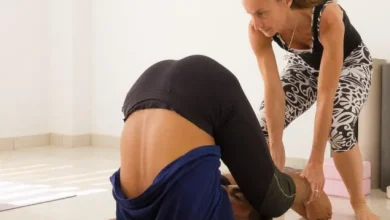
If you’re looking for more personalized attention, private prenatal yoga classes might be a great option. These one-on-one sessions allow your instructor to tailor poses and exercises to your specific needs, helping you to safely address any discomforts or concerns.
Private classes also offer flexibility, allowing you to schedule sessions when it’s most convenient, whether at home or virtually. You won’t need to worry about fitting into a group class schedule or adjusting poses to accommodate other participants. Additionally, having a private instructor means you can discuss your unique physical changes, energy levels, and any other factors affecting your practice.
For those with busy lives, a private session can save time and reduce stress. You’ll receive immediate adjustments, personalized breathing techniques, and the guidance to deepen your practice in a way that suits your individual needs.
Stretch, Breathe, and Connect
Prenatal yoga is one of the best things you can do for your body and your growing baby. It provides an opportunity to bond with your child, relieve tension, and prepare for labor both physically and mentally. Whether you’re joining a group class or opting for personalized sessions, prenatal yoga can be a valuable tool for maintaining a healthy pregnancy and promoting a calm, empowered birth experience.
Embrace the journey of motherhood with a mindful, nurturing practice that supports you every step of the way.