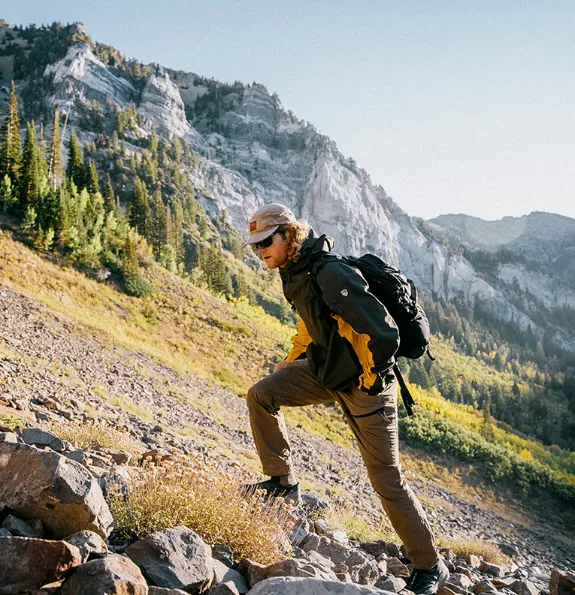
Ultralight backpacking is all about minimizing your gear while maximizing your hiking experience. It allows you to travel faster, cover more ground, and reduce the strain on your body. While it may not be for everyone, those who give it a try often find it a rewarding and efficient way to enjoy nature. In this guide, I’ll walk you through everything you need to know to start your ultralight backpacking adventure.
What is Ultralight Backpacking?
Ultralight backpacking focuses on reducing the weight of your gear without sacrificing essential items. The goal is to carry the least amount of equipment possible, freeing you to move faster, hike longer, and enjoy your journey with less burden. Most ultralight backpackers aim to keep their pack weight (fully loaded) under 10 pounds, though some even push for lighter goals.
The gear used is typically from ultralight manufacturers, or homemade items designed to strip away unnecessary weight. The fewer features your gear has, the lighter it becomes. However, it’s important to note that ultralight backpacking isn’t for everyone. It can be uncomfortable for those who prefer to have more gear. It’s recommended to try it on a smaller trail before committing to longer journeys.
Why Go Ultralight?
There are several compelling reasons to give ultralight backpacking a try. Carrying less gear reduces the strain on your body, helping to prevent fatigue and injuries. With a lighter load, you can hike faster, which means you’ll be able to cover more ground. This can be particularly useful if you want to explore more areas or just make the most of your time on the trail.
Ultralight backpacking also teaches you to rely more on the essentials. By learning to use one item for multiple purposes, you can reduce your overall gear load. This approach allows you to return to a more minimalist, primitive way of hiking that doesn’t depend on modern conveniences.
If these benefits sound appealing, then it might be time to try ultralight backpacking for yourself.
Essential Gear for Ultralight Backpacking
When preparing for an ultralight backpacking trip, it’s essential to carefully choose your gear. Here’s a breakdown of the items you should consider packing. Keep in mind that ultralight backpacking is about finding balance—take only what’s necessary and use items that can serve multiple functions.
1. Backpack
The right backpack is crucial for ultralight hiking. Look for packs made specifically for this purpose, which are typically lighter and have fewer features. While many ultralight backpackers go for packs with a 40-liter capacity or smaller, the key is to choose a size that forces you to carry only the essentials. More compartments and zippers add weight, so aim for simplicity.
2. Shelter
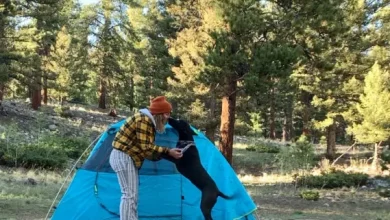
Shelter is another area where ultralight backpackers streamline their gear. Some opt for lightweight tents, others prefer hammocks, and some even use bivy sacks or tarps. The type of shelter you choose depends on your comfort level and the conditions you expect to encounter.
3. Sleeping Bag or Quilt
For warmth, a lightweight sleeping bag or quilt is essential. The warmer the sleeping bag, the heavier it is, so ultralight backpackers often use thinner sleeping bags or even skip a sleeping bag entirely in favor of lightweight alternatives like a blanket or quilt.
4. Sleeping Pad
A sleeping pad is optional but provides comfort and insulation from the ground. Many ultralight backpackers opt for foldable foam pads, which are light and can double as a sit pad. The key is to find a balance between comfort and weight.
5. Food and Water
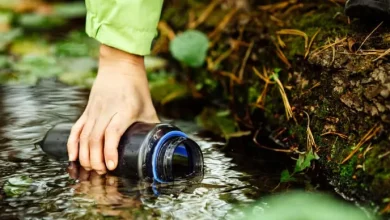
Food and water will make up a significant portion of your pack’s weight, but it’s vital to stay hydrated and nourished. If your route has water sources, consider carrying a water filter to resupply as needed. Otherwise, carry enough water for the entire hike. For food, ultralight backpackers often go for freeze-dried meals or snacks like energy bars. These options are lightweight but packed with calories and nutrition.
6. Kitchen Gear
Ultralight backpackers minimize their kitchen gear to save weight. A small stove and lightweight cook cup might be all you need to prepare a hot meal. If you prefer to skip cooking, bring no-cook meals like energy bars, nuts, or dehydrated meals that only require water. Every ounce counts when you’re aiming for ultralight.
7. Safety Gear
Even with minimal gear, safety is a top priority. A small first aid kit with band-aids, alcohol wipes, and basic medications should be included. A whistle, small multi-tool, and repair kit are also essential items that add little weight but provide peace of mind in case of an emergency.
8. Navigation Tools
To stay on course, always bring navigation tools. A lightweight compass, a map (cut down to the essential sections), or a GPS device with offline capabilities will help you stay on track. Don’t forget a charger and power bank for your phone.
9. Sun and Bug Protection
Sunburn and bug bites can ruin a hike, so pack the essentials for protection. A small tube of sunscreen, bug spray, and a lightweight hat can go a long way. Many ultralight backpackers carry a lightweight buff or sun sleeves to protect their arms and neck from harmful UV rays.
10. Lighting
A headlamp or small flashlight with extra batteries is a must-have. Even if you plan to be off the trail before dark, you never know what might happen. Make sure your light is easily accessible and reliable.
11. Extra Layers
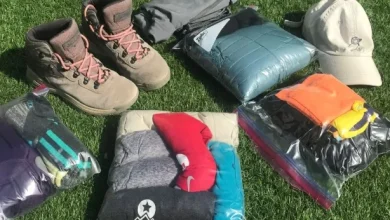
Weather can change quickly, so packing extra layers is essential for staying warm during colder nights. Lightweight, insulated clothing like merino wool is ideal for ultralight packing. Avoid heavy, bulky items and opt for items that can be layered easily.
12. Rain Gear
A lightweight rain poncho is a great addition to your ultralight gear. It can protect you from rain and double as an emergency shelter. Rain gear is essential in case the weather turns unexpectedly.
13. Clothing and Footwear
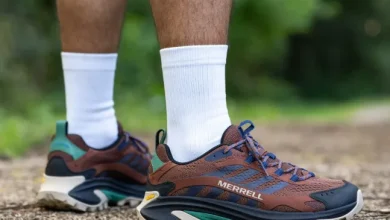
Keep your clothing simple and breathable. Synthetic or merino wool fabrics are great for both warm and cold conditions. Wear comfortable, moisture-wicking socks, and choose footwear that suits the terrain. Many ultralight hikers prefer trail runners for their light weight and flexibility.
14. Personal Items
Remember to bring any personal items you might need, such as toiletries, lip balm, or hygiene products. A small pack of wet wipes or a biodegradable toilet paper roll is also important for bathroom needs.
15. Trekking Poles
Trekking poles are optional but can be a helpful addition to your gear. They provide stability, reduce strain on your knees, and can assist on uneven terrain. Opt for collapsible poles to save space when not in use.
Common Mistakes to Avoid
When transitioning to ultralight backpacking, it’s important to start small and test your gear. Many beginners make the mistake of attempting long, challenging hikes without being fully prepared for the lighter load. Begin with a shorter trip to test your gear and make adjustments as needed.
Another common mistake is not bringing the right gear. Ultralight backpacking doesn’t mean compromising on safety or comfort. Always ensure you have the essentials and avoid cheap gear that doesn’t provide adequate performance.
Final Thoughts
Ultralight backpacking is an excellent way to explore the outdoors while carrying less. If you enjoy hiking but find yourself weighed down by bulky gear, this approach could be a game-changer. Start small, adjust your pack, and see how it feels to go lighter. With the right gear, ultralight backpacking can open up new possibilities and make your hiking adventures more enjoyable.