When you’re hiking, you want to be well-prepared, but the weight of your gear can make or break the experience. For ultralight hikers, this is especially important, as carrying unnecessary weight can lead to fatigue, discomfort, and ultimately, a less enjoyable hike. In this guide, I’ll walk you through the essentials you should pack while keeping your load light and manageable.
What You Need for Ultralight Hiking
Ultralight hiking is all about carrying the bare minimum, focusing on quality, compact gear that still meets your needs on the trail. Here are the 10 essentials you should consider for your next hike.
1. Ultralight Navigation Gear
While it’s essential to have reliable navigation tools, you don’t need to go overboard. Here’s what I recommend:
- Map: Instead of carrying a full map, cut it down to only the area you’ll be hiking.
- Compass: A lightweight plastic compass will do the job without adding unnecessary weight.
- Phone: Load up a hiking app for GPS tracking and routes. Bring along a small, lightweight power bank to ensure your phone stays charged throughout the hike.
Though three forms of navigation are suggested, you may find that you only need one or two, depending on the trail and your level of familiarity with it.
2. Ultralight Skin Protection
Skin protection is crucial, and fortunately, there are ultralight options for most items:
- Insect Repellent: Opt for a lightweight spray or even a repellent pin instead of a full bottle.
- Lip Balm: A single tube of chapstick is all you need.
- Sunscreen: Small, portable packets of sunscreen are perfect for ultralight hikers.
- UV Protection Clothing: Lightweight arm and leg covers, sunglasses, and a hat can offer extra protection from the sun without adding much weight.
These items depend on your personal needs. For instance, if you’re prone to mosquito bites, you might carry more insect repellent.
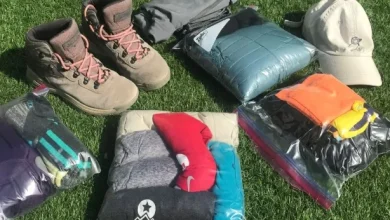
3. Ultralight Clothing and Layers
Layering is key for ultralight hiking, as it allows you to adjust to changing conditions without carrying extra clothing.
- Summer Hiking: Lightweight shorts, dry-fit T-shirts, and moisture-wicking socks.
- Cooler Hiking: Lightweight pants, long-sleeve shirts, and breathable wool socks.
- Cold Weather Hiking: Insulated layers, a jacket, and thicker socks.
Remember to check the weather forecast and pack only the layers you’ll actually need. A compact rain poncho or extra gloves can also be useful in case the weather changes unexpectedly.
4. Ultralight Illumination Gear
Even if you plan to finish your hike before dark, it’s wise to bring a light source in case things go off track.
- Headlamp: Ideal for hands-free operation, and don’t forget extra batteries.
- Small Flashlight: A lightweight flashlight can serve as a backup. If you’re using your phone as a light source, ensure you have a way to keep it charged.
Having at least one light source is essential for your safety in case of an emergency.
5. Ultralight First Aid Kit
A lightweight first aid kit can be the difference between a small injury and a major issue. A simple kit might include:
- Band-Aids (for various sizes)
- Antiseptic wipes and gauze
- Tweezers and a small pair of scissors
- Painkillers like ibuprofen or Tylenol
- A small whistle for emergency signaling
You don’t need to overpack, but ensure that your kit addresses common trail injuries.
6. Ultralight Fire Starting Gear
Carrying fire-starting tools is important for emergencies. Opt for lightweight options such as:
- Windproof Matches: Small and efficient for starting a fire even in bad weather.
- Fire Plugs: Easy to carry and perfect for quick ignition.
- Lighter: A small, reliable lighter can also work well in a pinch.
Remember to keep everything dry and ready for use, especially in wet conditions.
7. Ultralight Tools and Repair Gear
Basic tools can save you if something goes wrong on the trail. Consider packing:
- Folding Knife: Essential for various tasks, from cutting rope to preparing food.
- Paracord: Lightweight and incredibly versatile for repairs.
- Duct Tape: A small amount can patch up many issues, from a broken strap to a torn pack.
Carry only what you might realistically need based on your gear and experience.
8. Ultralight Food and Fuel
Keeping your energy up on the trail is crucial. For ultralight hiking, bring:
- Trail Bars: Compact, nutritious, and easy to eat on the go.
- Ready-to-Eat Snacks: Options like nuts or dried fruits are high in protein and easy to pack.
- Dehydrated Meals: If you plan for multi-day hikes, consider ultralight dehydrated meals that only require water.
Make sure to pack enough to sustain you without overloading your pack with unnecessary weight.
9. Ultralight Hydration
Water is essential, but it’s also heavy. Here are a few options for carrying water without adding too much weight:
- Water Bladder: A 1-3 liter bladder is perfect for long hikes, especially when combined with a lightweight backpack.
- Water Bottles: Carry a lightweight bottle or two for convenience.
- Water Filter: If you plan to pass by streams or creeks, bring along a small filter for refills.
Stay hydrated, but don’t overpack. Consider filtering water from streams along your route to lighten your load.
10. Ultralight Emergency Survival Gear
Even on well-planned hikes, it’s smart to carry some emergency gear:
- Emergency Shelter: A small tarp or poncho that can double as a shelter in case of rain or unexpected circumstances.
- Warmth: A lightweight emergency blanket or extra insulating layers can be crucial if the weather turns cold unexpectedly.
- Survival Tools: Carry items like a whistle, fire starter, or even a compact multi-tool.
These compact items can make all the difference in an emergency, without weighing you down.
Choosing the Right Backpack for Your Ultralight Essentials
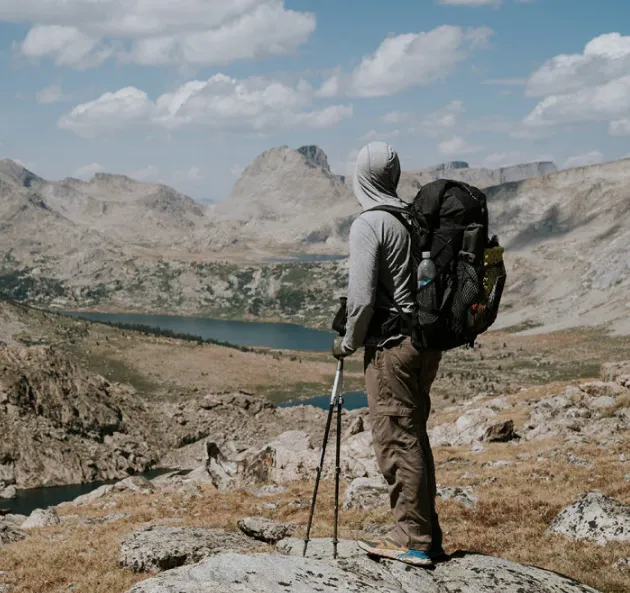
Finally, make sure your backpack is up for the challenge. Look for an ultralight pack that can comfortably carry all your essentials without adding unnecessary weight. Options include small packs with a single compartment or fanny packs for more minimalistic setups. Hydration backpacks are also a great option, offering space for a water bladder and a few other essentials.
In conclusion, ultralight hiking is all about smart packing. By focusing on essential gear that is both functional and lightweight, you can keep your pack minimal while staying prepared for any situation on the trail.