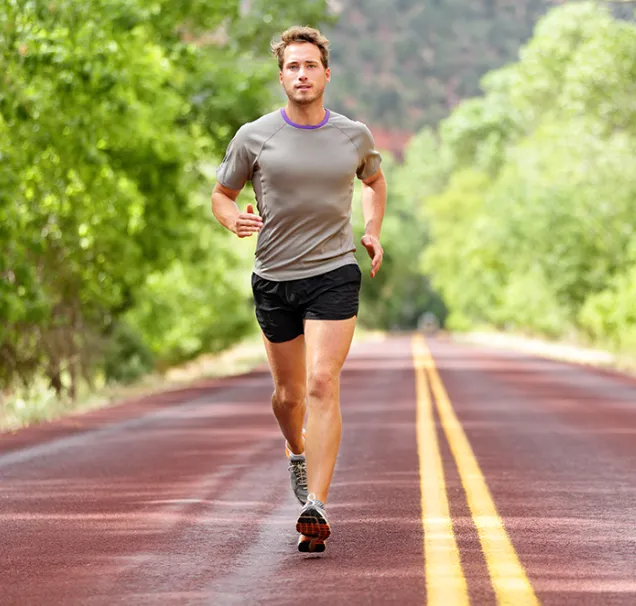
Shopping for running shoes can feel overwhelming, especially when the shelves are filled with countless options. Between minimalist pairs, highly cushioned models, and designs built for different surfaces, narrowing down the right choice can be tricky. If your goal is to find reliable footwear for pounding the pavement, it helps to understand what matters most—cushioning, support, and heel drop—before exploring specific models.
Cushioning: Finding the Right Balance
Running on concrete and asphalt puts extra stress on your joints because these surfaces don’t absorb impact. That’s why cushioning is such an important feature in road shoes. A well-cushioned pair can soften each landing, reducing strain on your knees, ankles, and hips.
How much cushioning you need depends on a few factors. Runners tackling longer distances often prefer extra padding, while short-distance or speed-focused runners might lean toward a firmer feel for more responsiveness. Surface type also matters: concrete demands more cushioning, whereas asphalt and synthetic tracks allow for a little less. Minimalist shoes are an option if you prefer a natural stride, but they require good form and careful adaptation.
Arch Support and Pronation
Your foot’s natural motion plays a big role in shoe selection. Runners typically fall into one of three categories:
- Neutral pronation: the foot rolls inward slightly, distributing weight evenly.
- Overpronation: the foot rolls inward excessively, adding stress to the arch and ankle.
- Supination: the foot rolls outward, putting more pressure on the outer edge.
Depending on where you fall, the right shoe can help prevent discomfort. Motion-control shoes suit severe overpronators with flat arches, stability shoes support mild overpronation, and neutral shoes work well for those with balanced gait or slight supination. Choosing based on your stride ensures better comfort and helps ward off injuries.
Heel Drop: Matching Shoe Design to Your Stride
Heel drop refers to the difference in height between the heel and the forefoot of a shoe. High-drop models (8–12mm) favor heel strikers by shifting some of the load upward toward the knee. Low-drop shoes (0–6mm) encourage midfoot or forefoot striking, easing stress on the knees but increasing demand on the calves and Achilles.
There isn’t one perfect answer—it comes down to how you naturally run. Heel strikers may thrive in higher-drop designs, while midfoot runners often prefer the balance of lower-drop shoes.
Top Road Running Shoes for 2023
Here are five models that stand out this year for performance on pavement:
ON Cloudsurfer
Known for its CloudTec Phase midsole, the Cloudsurfer delivers smooth landings and efficient transitions. The lightweight foam adds comfort without unnecessary bulk.
- Weight: 8.6 oz
- Cushioning: Plush
- Heel Drop: 10mm
Brooks Glycerin 20
Brooks has refined this shoe with nitrogen-infused cushioning that feels soft yet durable. A wider sole platform improves stability and transitions.
- Weight: 10 oz
- Cushioning: Maximum
- Heel Drop: 10mm
HOKA Clifton 9
A fan favorite for daily training, the Clifton 9 blends lightweight responsiveness with plenty of padding. The early-stage rocker shape helps guide the foot through each stride.
- Weight: 8.7 oz
- Cushioning: Soft but lively
- Heel Drop: 5mm
Saucony Cohesion 16
An affordable option that doesn’t skimp on impact absorption. The EVA foam sole keeps landings comfortable, making it a solid pick for budget-conscious runners.
- Weight: 9.1 oz
- Cushioning: Plush
- Heel Drop: 12mm
Altra Paradigm 6
Built with a zero-drop platform and generous cushioning, this shoe promotes natural movement while providing excellent support. The GuardRail system helps stabilize overpronators, making it ideal for those needing extra structure.
- Weight: 10.8 oz
- Cushioning: Maximum
- Heel Drop: 0mm
Final Word
Whether you’re just getting into running or looking to replace a worn-out pair, the best road shoes strike a balance between comfort and support that matches your stride. From soft and cushioned rides to firmer, more responsive models, the right choice will keep you running stronger and longer on the pavement.