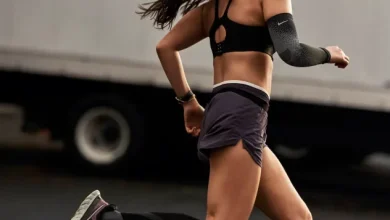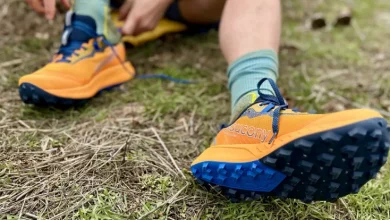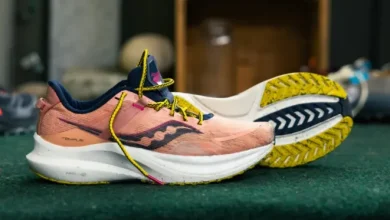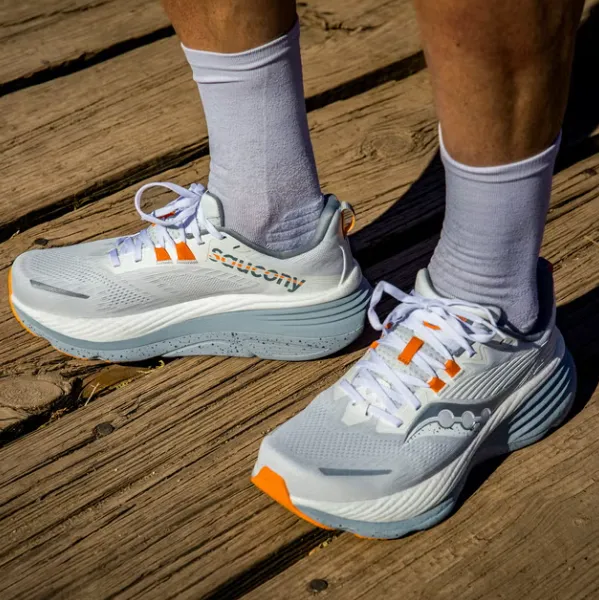
Finding the right pair of stability running shoes can make a world of difference for runners who deal with overpronation. The right shoes provide balance, reduce excess inward rolling of the foot, and create a smoother, more efficient stride. Below, we’ll explore some of the best models available in 2025, ranging from lightweight trainers to plush, high-cushion designs.
Brooks Glycerin GTS 22 – Best Choice for Easy and Long Runs
The Brooks Glycerin GTS 22 is a workhorse stability trainer designed with plush comfort and reliable support. It’s a little heavier than some competitors, but its durable outsole, breathable upper, and smooth heel transitions make it an excellent partner for daily miles.
Key Details
- Drop: 10mm
- Stack Height: 38mm
- Weight: 10.7oz (men)
- Cushion: Balanced, leaning plush
Strengths
- Strong stability thanks to Brooks’ GuideRails support system
- Secure and breathable upper
- Long-lasting outsole durability
- Wide platform that boosts stability
Limitations
- Slightly heavy for tempo efforts
- Firmer toe-off, not very springy
The Glycerin GTS 22 is a dependable option for moderate to severe pronators who want a cushioned ride without losing structure. It shines on recovery runs and long-distance outings, though speed-focused runners may find it less responsive.
Asics Gel-Kayano 31 – Best Max Cushion Stability Shoe
The Asics Gel-Kayano series has long been a staple in the stability category, and the 31st edition continues that tradition with innovative updates. The shoe replaces stiff medial posts with the 4D Guidance System, which subtly corrects stride without feeling intrusive.
Key Details
- Drop: 10mm
- Stack Height: 39mm
- Weight: 10.7oz (men), 9.3oz (women)
- Cushion: Plush and balanced
Strengths
- Adaptable stability system that feels natural
- Soft, comfortable ride with FF Blast+ ECO foam
- Wide base for steady landings
- Roomy fit with supportive lockdown
Limitations
- On the heavier side
- Forefoot lacks snap for faster paces
- Outsole durability could be better
The Gel-Kayano 31 is built for long, easy runs where comfort and stability matter more than speed. It’s particularly well-suited for heel strikers and marathon training but less appealing for those chasing a lightweight, fast ride.
Hoka Arahi 7 – Best Low-Drop Stability Shoe
For runners who prefer a lower drop and a firmer ride, the Hoka Arahi 7 offers a distinctive blend of lightweight design and moderate stability. Its J-Frame construction gently guides the foot while avoiding the harsh feel of traditional support systems.
Key Details
- Drop: 5mm
- Stack Height: 34mm
- Weight: 9.6oz (men), 8.1oz (women)
- Cushion: Firm and balanced
Strengths
- Lightweight compared to many stability shoes
- Wide base for extra control
- Rocker shape encourages smooth transitions
- Durable outsole
Limitations
- Firmer feel may lack bounce
- Snug upper fit, not ideal for wider feet
- Ventilation could be improved
The Arahi 7 is a great option for those who want stability in a lighter, less intrusive package. It’s not the plushest shoe available, but it delivers dependable support for daily training runs.
Brooks Adrenaline GTS 24 – Best High-Drop Structured Stability Shoe
With over two decades of refinement, the Brooks Adrenaline GTS remains one of the most trusted names in stability footwear. The 24th version blends firm cushioning with a structured midfoot, making it a reliable choice for runners who need strong support.
Key Details
- Drop: 12mm
- Stack Height: 39mm
- Weight: 10.3oz (men), 8.8oz (women)
- Cushion: Balanced, slightly firm
Strengths
- Responsive nitrogen-infused foam midsole
- Strong GuideRails stability system
- Excellent breathability
- Durable outsole with great traction
Limitations
- Heavier than some daily trainers
- Low toebox may feel restrictive
The Adrenaline GTS 24 is ideal for heel strikers who want a structured, stable ride. It’s a little stiff compared to modern soft foams but offers outstanding reliability and control for overpronators.
Saucony Guide 18 – Most Versatile Mid-Drop Stability Shoe
The Saucony Guide 18 delivers a balanced approach to stability, offering subtle guidance without feeling overbearing. Its breathable upper and rocker geometry make it a strong candidate for everyday training.
Key Details
- Drop: 6mm
- Stack Height: 35mm
- Weight: 9.6oz (men), 8.6oz (women)
- Cushion: Firm and balanced
Strengths
- Smooth rocker transition
- Excellent breathability
- Roomy, accommodating toebox
- Stable, supportive platform
Limitations
- Cushioning feels more firm than energetic
- Outsole grip is weaker on slick surfaces
The Guide 18 is best for runners seeking moderate stability and a reliable daily trainer. Its breathable design makes it particularly appealing for hot-weather running, though it’s not the bounciest or most responsive shoe out there.
Brooks Hyperion GTS 2 – Best for Speed and Responsiveness
If you need a stability shoe that doesn’t slow you down, the Brooks Hyperion GTS 2 delivers. Lightweight and agile, it’s built for speed training and shorter races while still offering enough guidance for mild pronators.
Key Details
- Drop: 8mm
- Stack Height: 26mm
- Weight: 7.6oz (men), 6.9oz (women)
- Cushion: Responsive
Strengths
- Very lightweight for a stability shoe
- Snappy nitrogen-infused cushioning
- GuideRails support plus added forefoot stability
- Flexible forefoot for natural toe-off
Limitations
- Narrow fit with a low toebox
- Limited grip on wet surfaces
The Hyperion GTS 2 is an excellent choice for runners who want a supportive trainer for intervals, tempo sessions, or races up to mid-distance. While it’s not suited for long, easy runs, it’s one of the few stability shoes that feels genuinely fast.
Final Thoughts
Stability shoes have come a long way from the stiff, heavy models of the past. Today’s options range from plush long-distance trainers to lightweight, responsive designs tailored for speed. Whether you’re looking for maximum cushion, firm control, or a versatile daily trainer, the 2025 lineup offers something for every runner dealing with overpronation.