Upper Body Training for Skiers and Snowboarders: How to Prepare for the Slopes

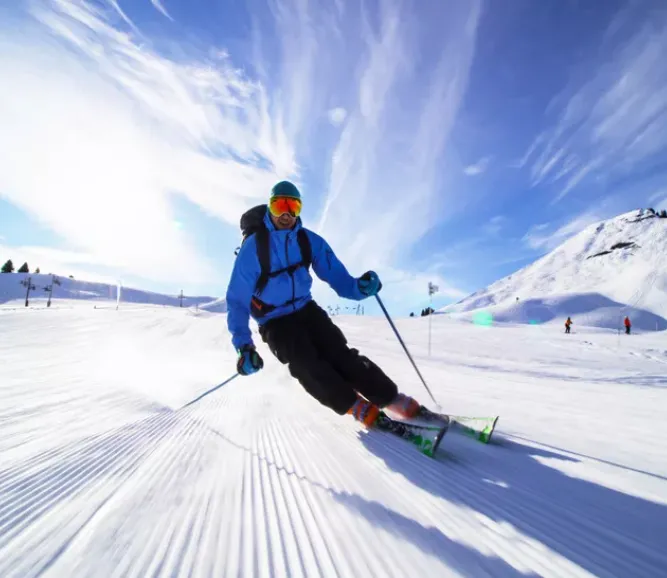
As ski and snowboard season approaches, many athletes start focusing on getting in shape for the slopes. While most skiers and snowboarders prioritize cardio and leg training, they often overlook an essential aspect of their fitness—upper body strength. Building upper body strength can greatly improve your performance and help prevent injuries on the mountain.
Why Upper Body Strength Matters for Skiers and Snowboarders
One of the primary reasons to incorporate upper body training is to enhance your ability to get back up after a fall. Snowboarding, in particular, involves frequent falls, especially for beginners. You need strong pushing muscles to quickly pop yourself back up. Skiers may fall less often, but when they do, they often need upper body strength to get back on their feet. Stronger shoulders, elbows, and wrists reduce your risk of injury during these falls.
Additionally, upper body training helps develop “pillar strength,” which refers to bracing your core to support your spine. Engaging in single-arm exercises also targets anti-rotation movements, strengthening your obliques and making you more stable during sharp turns, which are essential for skiing and snowboarding.
These sports are all about generating power, and your upper body plays a role in this. Movements like plyometric push-ups, push presses, and med ball slams build explosive upper body power, directly translating to improved force production on the mountain. Training your upper body also helps balance out your routine. While legs might get hammered during lower body training, your upper body can be trained without overtaxing your legs, giving them more time to recover.
Lastly, skiing and snowboarding are full-body activities. While your legs do most of the work, your core and upper body stabilize and produce rotational force, helping you maintain control on the slopes. Strong shoulders and obliques are crucial for performing terrain park tricks like 360s and grabs.
Ski Training Schedule
To get in the best shape for the slopes, a structured training schedule is key. I suggest a 3-4 day split that allows you to train effectively while still leaving room for time on the mountain.
Three-day schedule:
- Monday: Full-body push (squat + press)
- Tuesday: Full-body pull (deadlift + row)
- Thursday: Full-body workout + conditioning
Four-day schedule:
- Monday: Lower body strength
- Tuesday: Upper body strength
- Wednesday: Conditioning
- Thursday: Full-body (higher reps, lighter weights)
Friday can be a rest day or a chance to hit the slopes, while the weekend is ideal for skiing or snowboarding.
Building Your Upper Body Workouts
When planning your upper body workouts for snow sports, focus on functional movement patterns instead of isolated exercises like bicep curls. Your upper body should be trained for pushing and pulling—both horizontally and vertically. There are four essential movement patterns:
- Horizontal pushes (e.g., push-ups)
- Vertical pushes (e.g., military press)
- Horizontal pulls (e.g., rows)
- Vertical pulls (e.g., chin-ups, lat pulldowns)
For strength training, aim for 3-8 reps with challenging weights. For strength-endurance, aim for 8-12 reps with moderate weights. Start your workouts with strength-focused movements and finish with higher-rep, lighter exercises.
Here’s an example of a well-rounded upper body workout for skiers and snowboarders:
- Barbell Military Press: 3×5, heavy
- Chin-ups: 3×5-6
- Single-arm Overhead Press: 3×8 per arm
- Single-arm Dumbbell Row: 3×10 per arm
- Push-ups: 3 sets to fatigue (not failure)
- Seated Cable Row: 3×12 (light to moderate weight)
- Plank Hold: 3×45 seconds
Unilateral (single-arm) exercises should be a priority, as they force your core to engage more, creating better stability and preventing rotational injuries. Strong obliques and core muscles are essential for maintaining balance, especially when you’re out on the slopes, and they help protect your spine from injury.
Closing Thoughts
Upper body strength training is not just a luxury for skiers and snowboarders; it’s a necessity. By developing a stronger upper body, you can enhance your overall strength, endurance, and injury resistance, giving you more control and confidence on the mountain. Incorporating functional, unilateral movements into your routine will also protect your body from injury, helping you enjoy a longer, more successful ski season.