Yoga is more than just a physical practice; it can be a powerful tool for emotional healing. While it should never replace professional mental health care, yoga can offer a compassionate approach to dealing with self-harm and emotional struggles. If you’re currently struggling with self-harm, it’s important to reach out to a licensed therapist or healthcare provider for additional support.
What Is Self-Harm and Why Do People Do It?
Self-harm is often misunderstood as a suicide attempt, but it is typically a coping mechanism used to manage overwhelming emotional pain. Individuals who engage in self-harm, such as cutting or burning themselves, do so as a temporary escape from intense feelings, emotional numbness, or traumatic memories. This behavior, while harmful, may provide a short-term sense of relief, which can lead to a cycle of repetition. Unfortunately, the relief is fleeting, and it’s easy to feel trapped in this pattern.
Yoga, however, can offer a path out of this cycle, helping individuals reconnect with their bodies and emotions in a safe and supportive way.
Is Self-Harm Addictive?
Many people wonder whether self-harm can become an addiction. The answer is yes—this behavior is often reinforced by the brain’s reward system, which seeks relief from emotional distress. Over time, the brain learns to associate self-harm with a sense of temporary relief, making it more likely that a person will return to this behavior when faced with emotional difficulty. This pattern is similar to the way the brain reacts to substances like drugs or alcohol, leading to a repetitive cycle of self-injury.
How Yoga Can Aid Emotional Healing
Yoga offers a unique and gentle way to address emotional struggles. Unlike self-harm, which disconnects you from your body through pain, yoga encourages reconnection through mindful movement and breath. Practicing yoga helps you become more aware of your emotional and physical sensations without immediately reacting to them, which creates a space for more thoughtful responses to distressing situations.
Trauma-sensitive yoga, in particular, is a gentle approach designed to soothe the nervous system and provide relief from harmful urges. The practice includes slow, deliberate movements paired with controlled breathing, which helps to calm the mind and body, making it easier to tolerate discomfort and practice self-care.
Additionally, yoga promotes self-compassion, a crucial component of healing for those struggling with self-harm. Through guided meditations and affirmations, yoga teaches you that you are worthy of kindness, even in difficult moments. This shift in perspective can be transformative in breaking free from cycles of shame and self-criticism.
The Science Behind Yoga’s Effectiveness in Reducing Self-Harm
Research has shown that yoga can positively impact the brain structures responsible for emotional regulation. Studies indicate that regular yoga practice increases gray matter in areas of the brain like the prefrontal cortex, hippocampus, and insular cortex, which are critical for memory, emotional balance, and body awareness.
One of the most significant findings is that yoga can reduce the size and reactivity of the amygdala, the part of the brain involved in emotional responses. By calming the amygdala, yoga helps reduce the intensity of stress reactions, making it less likely that impulsive behaviors like self-harm will occur.
Rebuilding a Healthier Relationship with Your Body
Self-harm often stems from a negative body image and low self-worth. Many people who struggle with self-injury feel disconnected from their bodies, seeing them as sources of pain or shame. Yoga, on the other hand, fosters a healthier relationship with the body through mindful movement and awareness.
Regular yoga practice has been linked to lower rates of self-harm behaviors and a greater appreciation for the body. Studies have shown that individuals who practice yoga report improved body image and increased self-compassion, helping to disrupt the negative cycle that perpetuates self-injury.
Breaking Free from the Cycle of Self-Harm
The neurobiology of self-harm is similar to addiction, with a cycle that includes emotional distress, temporary relief, and a return to harmful behavior. Yoga has been shown to interrupt this pattern by activating the body’s natural relaxation response. Techniques such as pranayama (breathing exercises) can help soothe emotional distress, while regular practice supports the vagus nerve, which plays a key role in regulating the body’s emotional response.
Long-term, yoga helps to rewire the brain’s reward system. Studies have found that yoga and meditation can increase dopamine release in the ventral striatum, an area of the brain responsible for pleasure and reward. This healthier stimulation of the brain’s reward pathways reduces the reliance on self-harm behaviors for emotional relief.
Promoting Personal Growth Through Yoga
The ultimate goal of yoga is not just to stop self-harming behaviors but to foster emotional growth and resilience. Yoga helps build self-efficacy, which strengthens your belief in your ability to handle life’s challenges. As you develop more confidence in your ability to manage emotional difficulties, you’ll be better equipped to navigate the ups and downs of life without reverting to self-harm.
The mindfulness gained through yoga also leads to improvements in mood, energy, and self-esteem, all of which contribute to emotional resilience. Over time, you may discover that your practice not only helps you cope with stress but also connects you to deeper values and intentions, supporting long-term personal transformation.
Practical Yoga Tips for Healing
If you’re new to yoga, start with gentle, grounding practices that support emotional well-being. Here are a few simple techniques to get you started:
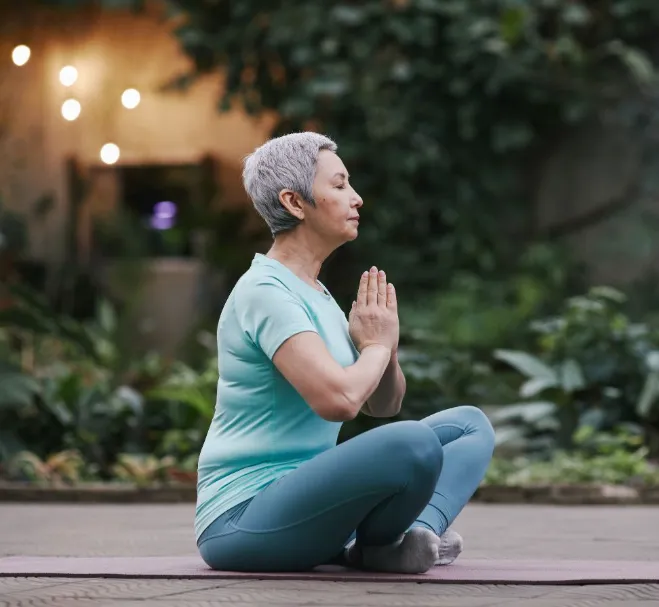
- Sukhasana with Deep Breathing: Sit cross-legged with a straight spine and take slow, deep breaths. This pose activates the body’s calming systems and helps center the mind.
- Alternate Nostril Breathing: This breathing technique helps balance the nervous system and reduces physical signs of stress and anxiety.
- Body Scan Meditation: Lie down in a relaxed position (like Savasana) and slowly bring your attention to each part of your body, observing without judgment. This practice helps deepen your connection to your body and supports healing.
- Mindful Movement: As you practice yoga, focus on the sensations in your body, allowing yourself to feel each stretch and breath without rushing. With time, mindfulness can become a natural response to emotional triggers, reducing the intensity of harmful urges.
Even practicing for 15-20 minutes each day can have a significant positive impact on your emotional health. Yoga helps lower cortisol, increase endorphins, and improve overall emotional regulation, creating a sense of calm and stability.
Healing is Possible
Recovering from self-harm is a difficult journey, but it is entirely possible. Combining professional care with yoga’s healing practices can help you shift from surviving to thriving. Yoga supports emotional regulation, body awareness, and self-compassion—providing you with the tools to navigate life’s challenges with clarity and calm.
Healing takes time, but with patience, practice, and support, you can create a healthier, more fulfilling life.