When preparing for a hiking trip, knowing what to wear can make or break your experience. The right clothing and footwear ensure comfort, safety, and enjoyment, while the wrong choices could lead to discomfort or even injury. Whether you’re hiking in the summer sun or battling winter winds, it’s essential to pack wisely. Here’s a detailed guide on what to wear hiking, covering all seasons, the best fabrics, and key layering tips.
The DON’Ts of Hiking Clothing
Before getting into what you should wear, let’s discuss what to avoid.
1. Cotton and Denim
Cotton is a big no-no for hiking. It absorbs moisture and holds it in, which can make you hot and uncomfortable in summer or risk frostbite in colder conditions. Avoid cotton as a base or insulating layer.
Similarly, denim may look good, but it’s not practical for hiking. It traps sweat and moisture, doesn’t allow your skin to breathe, and can restrict movement, making it dangerous on rough terrain. Stick to materials designed for movement and comfort.
The DOs of Hiking Clothing
Now, let’s talk about what you should pack. Over the years, seasoned hikers have shared their insights on the best fabrics and clothing choices for the trail.
2. Choose Synthetic Fabrics
Polyester, nylon, spandex, and synthetic wool are ideal materials for hiking. These fabrics are breathable, moisture-wicking, and dry quickly. Unlike cotton, they help keep you dry and comfortable, whether you’re hiking in hot sun or cold rain.
Head to Toe: What to Wear Hiking
When preparing for your hike, consider your clothing choices from head to toe.
Headgear:
Start with a hat suited for the weather. A beanie or sock cap will keep your head and ears warm in the winter, while a brimmed hat can protect you from the sun in the summer. For those who don’t prefer hats, ear warmers can be a great alternative to stay comfortable.
Upper Body:
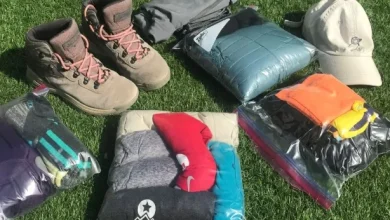
Layering is key, especially in colder weather. Your first layer should be moisture-wicking, such as a technical shirt or a compression shirt made from synthetic materials. In cooler weather, you can add a fleece or a lightweight insulated jacket for warmth.
Lower Body:
The choice of bottoms depends on the trail and the season. In summer, shorts are great, but keep in mind that overgrown trails could lead to scratches and exposure to insects. For colder weather or more rugged trails, durable pants or tights will keep you safe and comfortable. Convertible pants are a versatile option—they can be zipped off into shorts when needed.
Gloves and Socks:
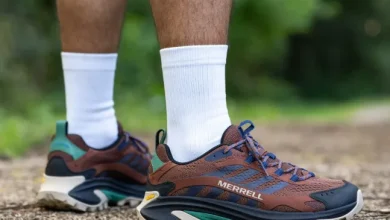
In cold weather, insulated, waterproof gloves are essential for protecting your hands. For socks, choose hiking-specific socks made from wool or synthetic blends. These socks provide comfort, support, and moisture control, and thicker wool socks are perfect for colder hikes.
Gaiters:
Gaiters are a great addition to your hiking gear, especially for long hikes on rugged or muddy trails. They help keep dirt, debris, and water out of your boots and provide extra insulation in colder weather.
Hiking Footwear
Choosing the right footwear is crucial for a successful hike. Your footwear depends on the trail and the conditions.
Trail Shoes and Sandals:
For easy hikes or light trekking, hiking sandals or shoes can be comfortable options. However, for more challenging trails, you’ll need sturdy shoes or boots. Waterproof shoes are popular but may retain moisture, which can add weight.
Trail Runners:
Trail runners are favored by many ultralight hikers due to their lightness and flexibility, although they aren’t waterproof. They’re a great choice for fast hikes but might not be ideal in wet conditions.
Hiking Boots:
Hiking boots are the most common option for serious trekkers. Choose boots that offer the right level of support and comfort for the terrain you’ll be covering. Waterproof options are available but may be heavier and less breathable.
Avoid Regular Sneakers or Sandals:
Regular sneakers, tennis shoes, or sandals are not suitable for hiking. They lack the necessary grip, durability, and support required for outdoor conditions.
Layering: Essential for Comfort
Layering is one of the most effective ways to manage your body temperature while hiking, especially in fluctuating weather conditions. Here’s a breakdown of what each layer should include:
Base Layer:
Your base layer is the moisture-wicking layer. Look for pants and shirts made from wool, synthetic blends, or spandex. These fabrics help draw moisture away from your skin, keeping you dry and comfortable. For colder weather, consider adding a thin pair of running tights and a compression shirt to keep you warm.
Insulation Layer:
The insulation layer provides warmth. This could be a fleece or insulated jacket that helps retain body heat. Choose fabrics that wick away moisture and remain breathable. Avoid cotton in this layer, as it does not provide warmth when wet.
Resistance Layer:
This outer layer protects you from the elements, like rain, wind, or snow. A waterproof jacket, rain poncho, or windbreaker is essential for keeping the elements out. If you’re hiking in cold, windy conditions, a puffy jacket is a great option.
Sun Protection Layer:
To protect yourself from harmful UV rays, wear sun protection layers like long-sleeved shirts, sun sleeves, and a brimmed hat. These lightweight layers will help shield you from the sun while keeping you comfortable during long hikes in hot weather.
Fabrics and Their Benefits
Understanding the different fabrics used in hiking clothing will help you make the right choices.
Cotton and Denim:
As mentioned earlier, these fabrics are best avoided as they trap moisture, become heavy when wet, and take too long to dry.
Wool:
Merino wool and synthetic wool are excellent options for hiking, as they are moisture-wicking, breathable, and naturally odor-resistant. Alpaca wool is great for colder weather, though it can be expensive.
Polyester/Nylon/Spandex:
These fabrics are favored by athletes and outdoor enthusiasts for their moisture-wicking properties, breathability, and fast drying times. They’re lightweight and affordable but may retain odors after extended use.
Fleece:
Fleece, made from polyester, is a great insulating layer. It provides warmth without being too heavy and is usually more affordable than wool.
What to Wear Hiking in Different Seasons
The season plays a major role in your clothing choices.
Warm Weather:
In hot weather, lightweight clothing like short-sleeved shirts and shorts are best. However, be mindful of overgrown trails and the potential for sun exposure. Lightweight long sleeves and pants made from breathable materials can provide protection from the sun and insects.
Cold Weather:
When hiking in cold conditions, your focus should be on layering. You need to stay warm without overheating. Layering allows you to shed or add clothes depending on your body temperature. Make sure your base layer wicks moisture, and your insulation layer provides enough warmth. Bring extra layers in case you get wet, and always have a backup pair of socks and clothing.
Conclusion
Choosing the right clothing and gear for your hike is essential for staying comfortable and safe on the trail. By focusing on moisture-wicking fabrics, layering appropriately, and selecting the right footwear, you can ensure a positive hiking experience, no matter the season or conditions. Keep in mind that comfort and functionality should always take precedence over fashion when it comes to hiking attire.