Why Proper Athletic Footwear is Crucial for Performance and Injury Prevention


It’s easy to fall into the trap of using the same pair of sneakers for every activity—running, walking, jumping, or even playing sports. After all, a sneaker is a sneaker, right? While this may seem convenient, it’s not the best choice when it comes to your body’s needs. Using one pair of shoes for all activities is like trying to use a hammer to screw in a nail; it’s simply not optimal.
Why You Need Sport-Specific Footwear
Each sport places different demands on your body, and your footwear needs to support those unique movements. Imagine trying to run a marathon in bulky basketball shoes or attempting a game of tennis in running shoes. It’s easy to see how the wrong shoes can hinder performance and even cause injury.
Sports footwear is designed by experts who work closely with orthopedic specialists to create shoes that address the specific demands of each activity. Whether it’s supporting forward movement, lateral shifts, or providing grip on rough terrains, the right shoes make a world of difference. Here’s how footwear varies across different activities:
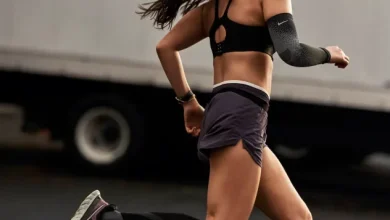
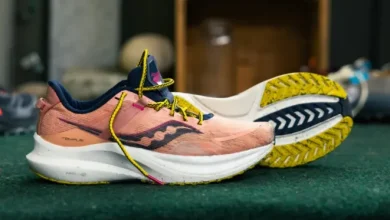
- Running Shoes: Specifically designed to handle forward motion, these shoes have cushioned soles that absorb shock and provide flexibility in the forefoot for smooth strides.
- Basketball Shoes: Built for intense multi-directional movements, these shoes offer ankle support through high-top designs and flat soles for stability.
- Tennis Shoes: Tennis requires quick side-to-side movements, so these shoes feature flexible soles and reinforced toe areas to handle sudden lunges and lateral shifts.
- Soccer Cleats: Soccer shoes are equipped with studs on the sole for better grip on grassy fields, enabling quick direction changes and ball control.
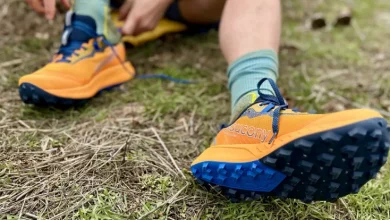
- Hiking Boots: With durable materials and deep treads, hiking boots are designed to support ankles, provide grip on rocky surfaces, and endure rough terrains.
- Cycling Shoes: These shoes optimize energy transfer to the pedals, offering stiff soles and mechanisms to attach to the bike, improving cycling efficiency.
The right footwear serves two primary purposes: reducing the risk of injury and enhancing performance.
How Proper Footwear Prevents Injuries
The right shoes act as a protective barrier against potential injuries, which are common in high-impact sports. Without proper support, the risk of stress fractures, joint discomfort, and overuse injuries increases. Wearing shoes tailored to your sport can significantly lower these risks. Here’s how:
- Shock Absorption: Shoes with advanced cushioning materials help absorb the impact of each step, protecting your feet, knees, and hips from stress-related injuries like shin splints and stress fractures.
- Stability and Support: Athletic footwear provides crucial support to maintain proper alignment. Running shoes, for example, often feature arch support that accommodates different foot types, while basketball and tennis shoes provide ankle stability to avoid sprains.
- Traction: Well-designed soles offer grip, preventing slips and falls on various surfaces. Whether you’re running on trails or playing soccer, traction helps you stay steady and secure.
- Fit and Comfort: Shoes that fit properly prevent issues like blisters, bunions, and toenail problems. Ill-fitting shoes can lead to instability and foot pain, while the right size enhances comfort and support.
- Prevention of Overuse Injuries: When shoes offer the correct support for your specific activity, they help avoid overuse injuries like plantar fasciitis and Achilles tendonitis, which often occur from repetitive movements without sufficient rest.
How Athletic Footwear Enhances Performance
While shoes can’t work miracles, the right pair can certainly help improve your athletic performance. When designed for a specific sport, footwear can enhance biomechanics, provide better stability, and ensure optimal energy transfer during movement. In fact, studies have shown that athletes who wear the correct shoes experience improved running efficiency and reduced muscle fatigue.
Here’s how the right footwear can boost your performance:
- Improved Movement Efficiency: Shoes designed for a particular sport help you move more fluidly and effectively. Running shoes are optimized for forward motion, while tennis shoes are built for quick lateral shifts, reducing wasted energy.
- Better Grip and Traction: The soles of sport-specific shoes provide optimal grip, whether you’re on a basketball court or running a slippery trail. This ensures better speed, agility, and confidence while moving.
- Enhanced Energy Transfer: Properly designed shoes can facilitate the efficient transfer of energy from the foot to the ground, especially in sports involving running or jumping. This helps to conserve energy and reduce fatigue, making your movements more powerful.
- Comfort: Comfortable shoes allow you to focus entirely on your sport, free from distractions caused by foot pain or discomfort.
Conclusion: Don’t Underestimate the Power of Proper Footwear
Neglecting the importance of sport-specific shoes means missing out on a valuable tool for performance and injury prevention. We often only notice the effects of bad footwear when it’s too late—when our feet hurt or we injure ourselves. But when the right shoes fit perfectly, they feel almost invisible, working quietly in the background to support your every move.
While shoes won’t make you run faster or lift more weight, they provide countless small advantages that collectively help you perform at your best. Choose your athletic footwear wisely, and it will be your trusted partner in achieving your fitness goals.