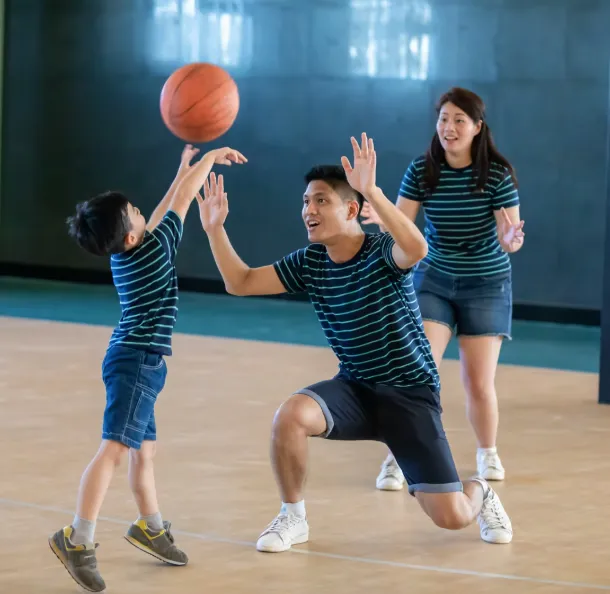
Youth sports offer children more than just a way to stay active—they provide essential opportunities for growth, from physical health to social skills, and even mental resilience. The benefits extend far beyond the field or court, shaping a child’s development in numerous important ways. From learning teamwork to boosting confidence, youth sports play a critical role in shaping the next generation.
Promoting Physical Health and Wellness
One of the most obvious benefits of youth sports is physical health. With childhood obesity on the rise and more time spent in front of screens, organized sports offer kids an essential outlet for physical activity. Whether it’s running, jumping, or swimming, these activities help children develop strong muscles, improve cardiovascular health, and enhance coordination. They also build lasting habits that can reduce the risk of conditions like heart disease, obesity, and diabetes.
In addition, sports teach children the importance of nutrition and rest. Understanding how to fuel their bodies and the value of recovery helps set up kids for a lifetime of healthy living.
Enhancing Mental and Emotional Well-Being
Youth sports also significantly benefit children’s mental and emotional health. Sports provide a healthy outlet for energy, helping to reduce stress and anxiety. Physical activity releases endorphins, the body’s natural mood enhancers, helping kids feel better emotionally.
Through sports, kids also develop resilience. Whether it’s coping with a tough loss, overcoming an injury, or persevering through a challenging practice, sports teach young athletes how to handle adversity and bounce back stronger. These experiences help children build emotional strength that will serve them throughout their lives.
Building Social Skills and Teamwork
Participating in team sports helps children develop crucial social skills. Sports foster cooperation, communication, and teamwork as children work together to reach a common goal. These experiences teach kids how to listen, resolve conflicts, and collaborate effectively with others.
Moreover, playing on a team creates lasting friendships. Many young athletes find their closest friends among their teammates, strengthening their social confidence and ability to build relationships both in and out of sports. Learning to interact with coaches, referees, and peers also teaches children to communicate respectfully and work with authority figures.
Academic and Cognitive Advantages
Engaging in sports has been linked to improved academic performance. Sports teach children discipline, time management, and goal-setting skills that translate directly to their schoolwork. Student-athletes often develop stronger work ethics, better focus, and organizational skills, which can help them excel academically.
Sports also enhance cognitive abilities such as problem-solving and strategic thinking. Many sports require quick decision-making, which helps sharpen children’s mental acuity. These skills not only help in school but also prepare kids for future careers that demand critical thinking and adaptability.
Shaping Character and Leadership Abilities
Youth sports play a significant role in developing character and leadership skills. The values instilled through sports, like discipline, accountability, and commitment, are key to success in life. Children learn the importance of hard work, responsibility, and integrity, which help build their character.
Many young athletes are also given leadership roles, whether as team captains, mentors, or role models through their sportsmanship. These opportunities boost confidence and help kids develop leadership skills that will be beneficial in their future endeavors, both in sports and beyond.
Fostering a Growth Mindset
Sports help children develop a growth mindset, which is the belief that abilities and intelligence can be improved through effort and perseverance. In sports, kids learn that progress comes from hard work and practice, and that failure is a part of the learning process.
This mindset helps children tackle challenges, stay motivated after setbacks, and strive for continuous improvement. These qualities are valuable in all aspects of life, from academics to personal relationships and future careers.
Encouraging Lifelong Habits and Passions
Finally, youth sports often create a love for physical activity that can last a lifetime. Many adults who played sports as children continue to stay active through running, cycling, or recreational leagues. The skills, discipline, and enjoyment they learned through sports keep them engaged in physical activity well into adulthood.
Some children may even develop a lifelong passion for a specific sport, leading to careers in coaching, officiating, or professional play. Even if they don’t continue with competitive sports, the lessons learned—such as teamwork, discipline, and resilience—stay with them throughout their lives.
Conclusion
Youth sports are much more than just games; they are a vital part of a child’s overall development. From improving physical health and fostering emotional well-being to building social skills, boosting academic performance, and shaping character, sports offer benefits that extend far beyond the playing field.
Encouraging children to participate in sports not only helps them develop important life skills but also sets them up for success in all areas of life. Whether it’s soccer, basketball, swimming, or any other sport, getting involved in physical activity helps children grow into healthy, happy, and confident individuals. The lessons learned through sports lay the foundation for lifelong success.